Volume 31 | 17 Sep 2026
NANOscientific Magazine
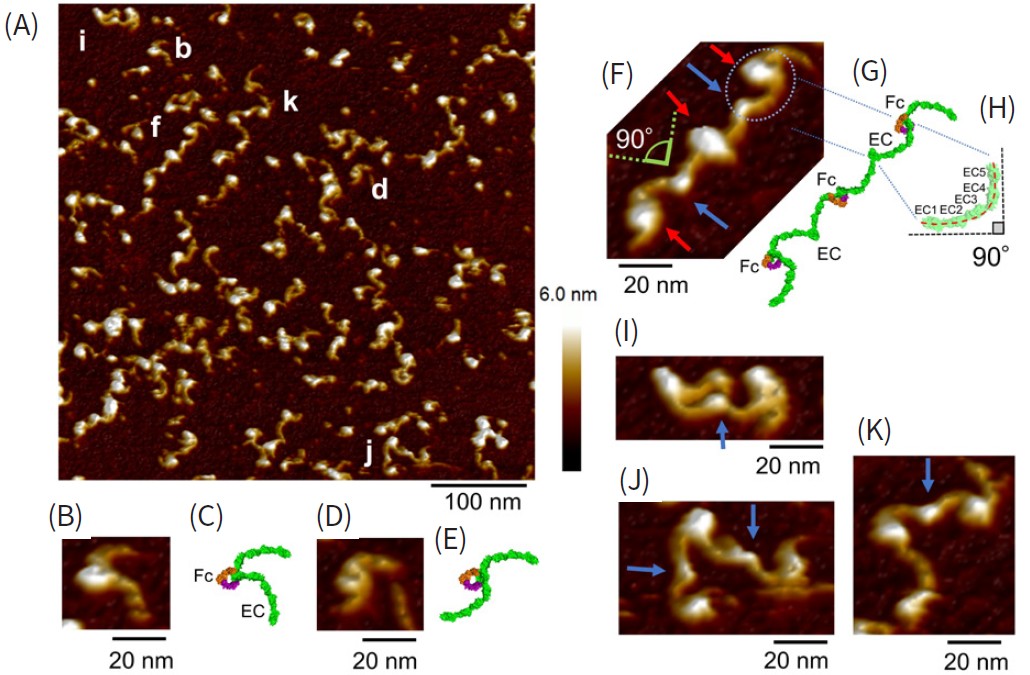
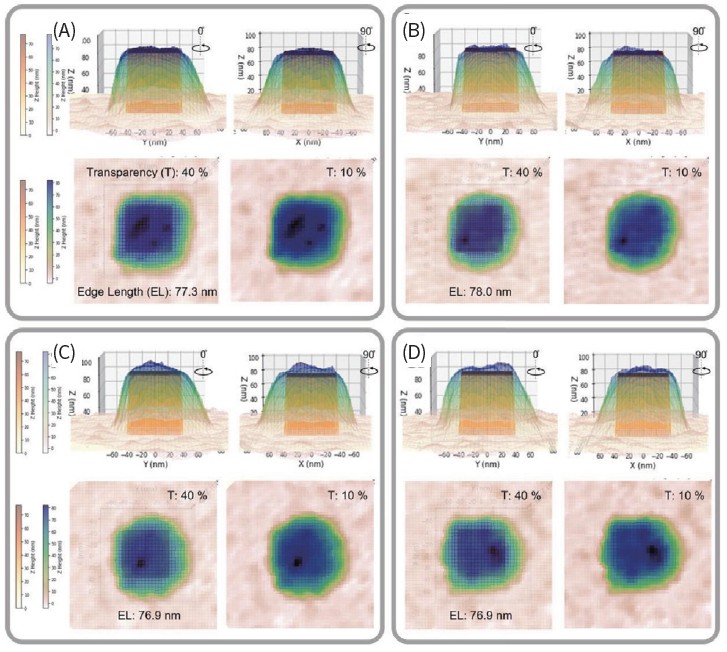
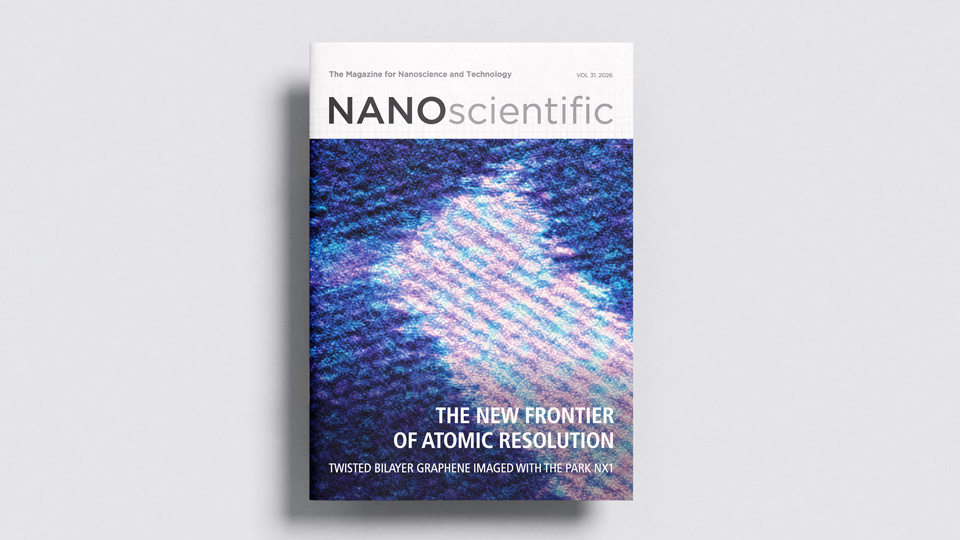
NANOscientific Volume 31 shifts its focus from celebrating AFM's 40th anniversary to exploring its future. This issue features Professor Franz Giessibl's perspective on ambient atomic resolution, along with advances in automated two-dimensional materials characterization, correlative AFM-SEM workflows, and sustainable thin-film photovoltaics.
Latest Issue
Achieving Sub-Ångström Stability in Ambient Environments with Park NX1
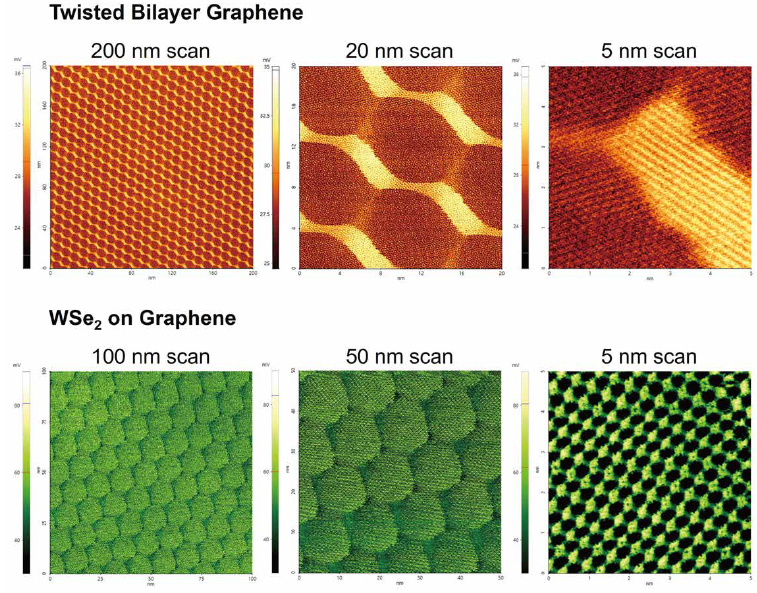
Atomic Force Microscopy (AFM) has become an essential tool for nanoscale surface characterization, enabling high-resolution analysis of surface morphology, mechanical response, and functional properties across a broad range of materials. Its ability to image both conductive and insulating samples makes AFM especially valuable for studying crystalline surfaces, two-dimensional materials, and other nanoscale structures where localized surface information is critical.